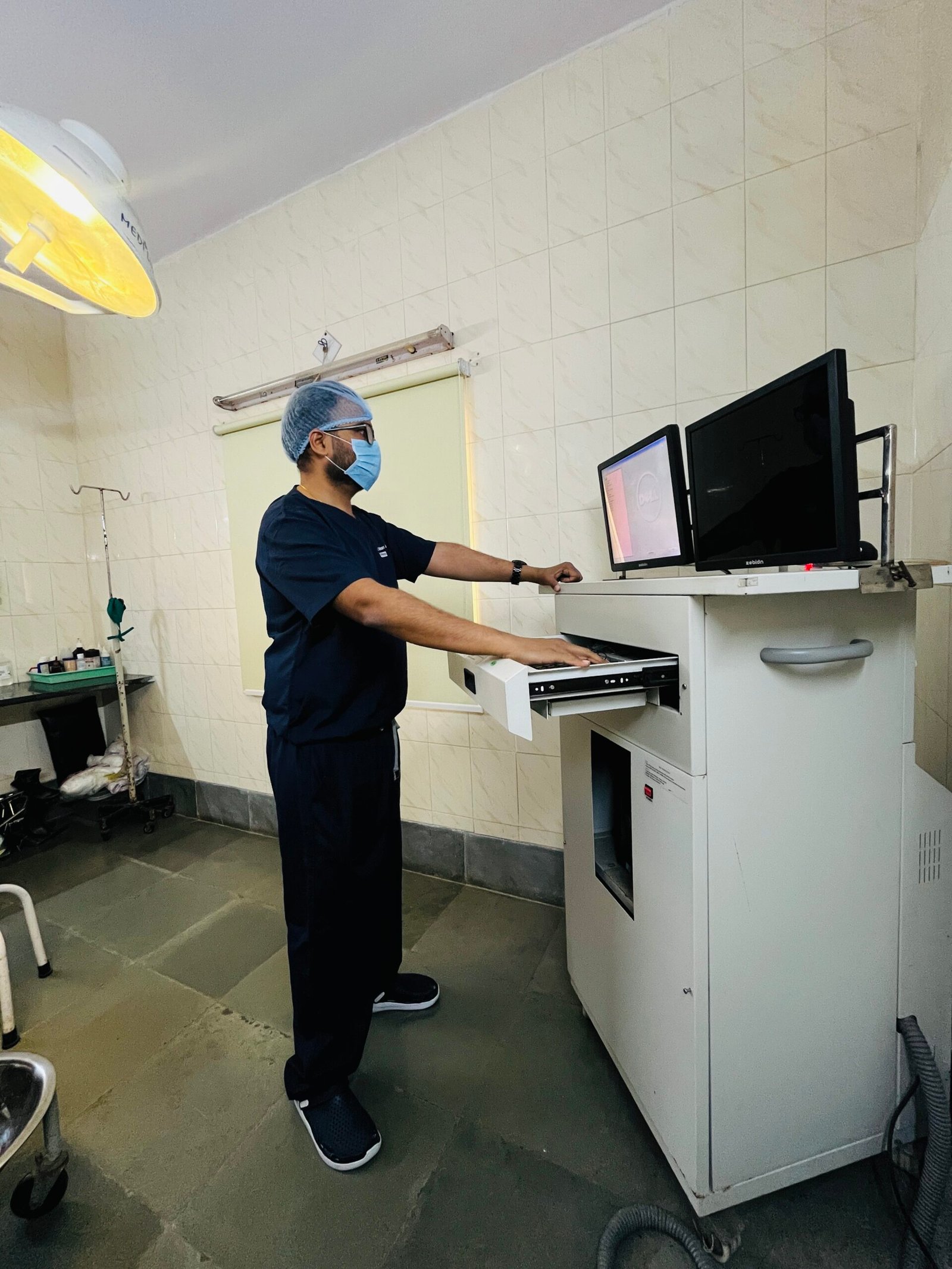
General Surgery: Comprehensive Surgical Care for Better Health
Introduction
When medical treatment alone is not enough, surgery can provide an effective solution for many health conditions. General Surgery is a medical specialty that focuses on diagnosing, treating, and managing diseases that require surgical intervention. General surgeons perform a wide range of procedures using both traditional open surgery and advanced minimally invasive (laparoscopic) techniques.
Whether you need treatment for appendicitis, gallstones, hernia, piles, breast conditions, or soft tissue lumps, a qualified General Surgeon ensures safe, precise, and patient-centered surgical care.
What is General Surgery?
General Surgery is a branch of medicine that specializes in the surgical treatment of conditions affecting the abdomen, digestive system, skin, soft tissues, breast, thyroid, and other parts of the body. General surgeons are trained to evaluate patients, perform surgeries, and provide comprehensive pre-operative and post-operative care.
Modern surgical techniques help reduce pain, minimize scarring, shorten hospital stays, and support faster recovery.
Conditions Treated by a General Surgeon
A General Surgeon manages a wide range of surgical conditions, including:
Hernia
Appendicitis
Gallbladder stones (Gallstones)
Piles (Hemorrhoids)
Fissures and Fistulas
Breast lumps
Thyroid disorders requiring surgery
Lipomas (Fatty lumps)
Sebaceous cysts
Abscesses
Hydrocele
Varicose veins
Skin and soft tissue tumors
Intestinal obstruction
Gastrointestinal disorders requiring surgery
Trauma and emergency surgical conditions
Common Surgical Procedures
General surgeons perform various procedures, such as:
The choice of procedure depends on the patient’s condition, overall health, and the surgeon’s recommendation.
Symptoms That May Require Surgical Evaluation
Consult a General Surgeon if you experience:
Persistent abdominal pain
Sudden severe stomach pain
A swelling or lump in the abdomen or groin
Painful or bleeding piles
Recurrent gallbladder pain
A painful breast lump
Difficulty swallowing due to thyroid enlargement
Non-healing wounds or abscesses
Persistent swelling under the skin
Recurrent infections or cysts
Severe pain associated with a hernia
Early evaluation allows timely treatment and helps prevent complications.
Diagnostic Services in General Surgery
Before recommending surgery, your surgeon may advise:
Physical examination
Blood investigations
Ultrasound
CT Scan
MRI (when required)
X-ray
Endoscopy or Colonoscopy (if indicated)
Biopsy for suspicious lumps
ECG and pre-anesthesia assessment
These tests help determine the most appropriate treatment plan.
Benefits of Minimally Invasive (Laparoscopic) Surgery
Many procedures can now be performed using laparoscopic techniques, offering several advantages:
Smaller incisions
Less postoperative pain
Reduced blood loss
Faster recovery
Shorter hospital stay
Lower risk of infection
Minimal scarring
Earlier return to daily activities
Not every patient is a candidate for laparoscopic surgery, and your surgeon will recommend the safest approach for your condition.
Preparing for Surgery
Before your procedure, your healthcare team may advise you to:
Follow fasting instructions before surgery.
Inform your doctor about all medications and allergies.
Stop certain medications if instructed.
Complete all recommended pre-operative tests.
Arrange for someone to accompany you after discharge.
Follow all instructions provided by your surgical team.
Proper preparation contributes to a smoother surgical experience and recovery.
Recovery After Surgery
Recovery varies depending on the type of surgery performed. General recommendations include:
Take medications as prescribed.
Keep the surgical wound clean and dry.
Attend scheduled follow-up appointments.
Avoid heavy lifting until approved by your surgeon.
Eat a balanced diet to support healing.
Stay physically active as recommended.
Watch for signs of infection such as fever, redness, or excessive swelling and seek medical attention if they occur.
Following post-operative instructions helps promote safe healing and reduces the risk of complications.
When Should You Consult a General Surgeon?
You should seek consultation if you:
Have been advised that your condition may require surgery.
Experience persistent or worsening abdominal pain.
Notice a lump or swelling that increases in size.
Have repeated gallbladder attacks.
Suffer from painful piles, fissures, or fistulas.
Develop recurrent skin cysts or abscesses.
Need evaluation for breast or thyroid lumps.
Early diagnosis often results in more effective treatment and improved outcomes.
Why Choose Our General Surgery Department?
Our General Surgery department provides comprehensive surgical care using modern techniques and evidence-based practices.
We offer:
Experienced General Surgeons
Advanced laparoscopic surgical services
Comprehensive pre-operative evaluation
Safe anesthesia support
Personalized treatment plans
Modern operation theatres
Compassionate post-operative care
Focus on faster recovery and patient safety
Our commitment is to provide high-quality surgical care with precision, safety, and patient comfort at every stage of treatment.
Frequently Asked Questions (FAQs)
What is the role of a General Surgeon?
A General Surgeon diagnoses and treats conditions that require surgical intervention, including diseases affecting the abdomen, digestive system, breast, thyroid, skin, and soft tissues.
Is laparoscopic surgery better than open surgery?
Laparoscopic surgery offers benefits such as smaller incisions, less pain, and quicker recovery for many procedures. However, the best approach depends on the patient’s condition and the surgeon’s assessment.
How long does recovery take after surgery?
Recovery varies depending on the type of procedure, your overall health, and whether the surgery was open or laparoscopic. Your surgeon will provide personalized recovery guidance.
Will I need to stay in the hospital after surgery?
Some procedures are performed as day-care surgeries, while others require a short hospital stay. The duration depends on the type of surgery and your recovery.
When should I seek urgent medical attention after surgery?
Contact your healthcare provider immediately if you develop high fever, severe pain, excessive bleeding, persistent vomiting, difficulty breathing, or signs of wound infection such as increasing redness, swelling, or pus.
Conclusion
General Surgery plays a vital role in treating a wide range of medical conditions that cannot be managed with medication alone. From minimally invasive laparoscopic procedures to complex surgical interventions, timely surgical care can relieve symptoms, prevent complications, and improve quality of life.
If you have persistent pain, a swelling, gallstones, hernia, or any condition that may require surgery, consult an experienced General Surgeon for expert evaluation and personalized treatment. Early diagnosis and appropriate surgical care are the keys to a safe recovery and better long-term health.