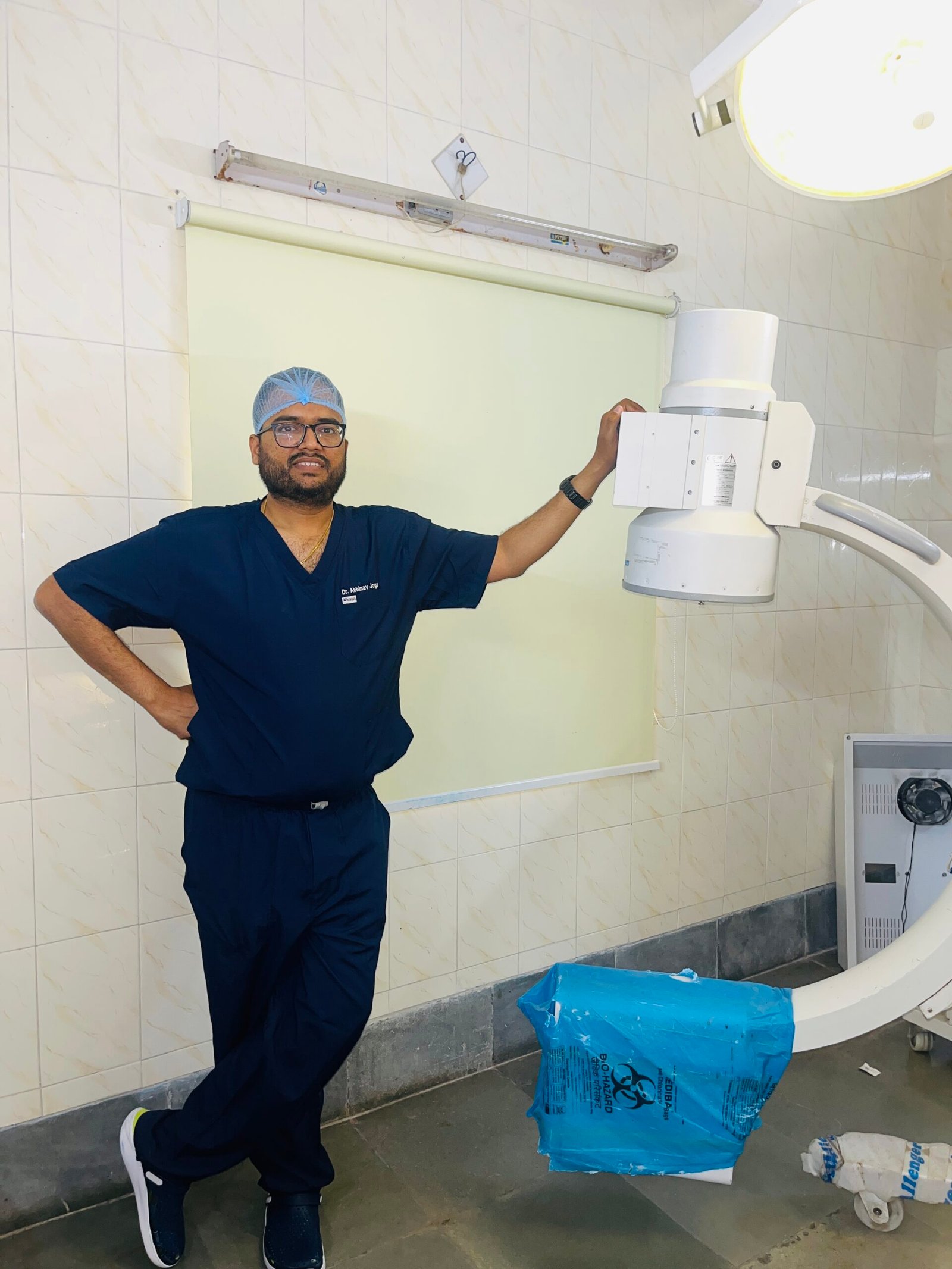
Obstetrics & Gynaecology: Comprehensive Care for Every Stage of a Woman’s Life
Introduction
Women’s healthcare needs change throughout different stages of life, from adolescence and reproductive years to pregnancy, menopause, and beyond. Obstetrics & Gynaecology (OB-GYN) is a specialized branch of medicine dedicated to the health of the female reproductive system and the care of women during pregnancy, childbirth, and the postpartum period.
Whether you need routine gynecological care, prenatal check-ups, fertility guidance, menopause management, or treatment for reproductive health conditions, an experienced Obstetrician and Gynecologist provides compassionate, personalized, and evidence-based care.
What is Obstetrics & Gynaecology?
Obstetrics focuses on pregnancy, childbirth, and post-delivery care for both the mother and baby.
Gynaecology specializes in the prevention, diagnosis, and treatment of conditions affecting the female reproductive system, including the uterus, ovaries, fallopian tubes, cervix, vagina, and breasts.
Together, these specialties provide comprehensive healthcare for women throughout every stage of life.
Obstetric Services
Our Obstetrics department provides complete pregnancy care, including:
Preconception counseling
Pregnancy confirmation
Routine antenatal check-ups
High-risk pregnancy management
Fetal growth monitoring
Ultrasound guidance
Nutritional counseling during pregnancy
Gestational diabetes management
Pregnancy-induced hypertension management
Normal vaginal delivery support
Cesarean section (C-Section)
Labor and delivery care
Postnatal care for mother and baby
Breastfeeding guidance
Gynaecology Services
Our Gynaecology department offers diagnosis and treatment for a wide range of women’s health conditions, including:
Irregular menstrual cycles
Heavy menstrual bleeding
Painful periods (Dysmenorrhea)
Polycystic Ovary Syndrome (PCOS)
Ovarian cysts
Uterine fibroids
Endometriosis
Pelvic inflammatory disease (PID)
Vaginal infections
Urinary tract infections (UTIs)
Menopause-related concerns
Infertility evaluation
Cervical screening
Breast health evaluation
Family planning and contraception counseling
Common Symptoms That Should Not Be Ignored
Consult an Obstetrician or Gynecologist if you experience:
Irregular or missed periods
Excessively heavy menstrual bleeding
Severe pelvic pain
Persistent abdominal pain
Unusual vaginal discharge
Vaginal itching or irritation
Bleeding after menopause
Pain during intercourse
Difficulty conceiving
Breast lumps or nipple discharge
Recurrent urinary infections
Pregnancy-related complications such as swelling, severe headaches, or reduced fetal movement
Early diagnosis can prevent complications and improve long-term reproductive health.
Diagnostic Services
To accurately diagnose gynecological and pregnancy-related conditions, doctors may recommend:
Pelvic examination
Pregnancy testing
Ultrasound scanning
Pap smear (Cervical cancer screening)
Blood investigations
Hormonal evaluation
Urine analysis
Fetal monitoring
Colposcopy (when indicated)
Biopsy (if required)
These investigations help create an individualized treatment plan for every patient.
Treatments and Procedures
Treatment depends on the patient’s age, condition, and health goals. Services may include:
Medical management of gynecological disorders
Hormonal therapy
Antenatal and postnatal care
Family planning services
Contraceptive counseling
Fertility evaluation
Normal vaginal delivery
Cesarean delivery
Minimally invasive gynecological procedures
Hysterectomy (when medically indicated)
Ovarian cyst surgery
Fibroid management
Menopause care
Every treatment plan is personalized to ensure safe and effective care.
Tips for Women’s Health
Maintaining good reproductive health involves healthy lifestyle choices and regular medical check-ups.
Follow these recommendations:
Schedule regular gynecological examinations.
Maintain a healthy weight.
Eat a balanced, nutrient-rich diet.
Exercise regularly.
Practice good menstrual hygiene.
Stay hydrated.
Avoid smoking and excessive alcohol consumption.
Get recommended vaccinations.
Attend all scheduled pregnancy check-ups if you are expecting.
Seek medical advice for unusual symptoms instead of self-medicating.
Importance of Regular Pregnancy Care
Routine prenatal care helps monitor the health of both mother and baby throughout pregnancy.
Regular antenatal visits help:
Track fetal growth and development
Detect pregnancy complications early
Monitor maternal health
Provide nutritional guidance
Plan for a safe delivery
Reduce the risk of pregnancy-related complications
Consistent medical supervision contributes to healthier pregnancies and better birth outcomes.
Why Early Women’s Healthcare Matters
Seeking timely medical care offers several benefits:
Early detection of reproductive health conditions
Better pregnancy outcomes
Reduced risk of complications
Improved fertility management
Effective menopause support
Prevention of cervical cancer through regular screening
Enhanced overall health and quality of life
When Should You Visit an Obstetrician or Gynecologist?
You should schedule an appointment if you:
Need routine women’s health screening.
Are planning a pregnancy.
Miss your menstrual period unexpectedly.
Experience persistent pelvic pain.
Have abnormal vaginal bleeding.
Are pregnant and require prenatal care.
Have fertility concerns.
Need contraception or family planning advice.
Experience symptoms related to menopause.
Early consultation supports better reproductive and overall health.
Our Obstetrics & Gynaecology department is committed to providing comprehensive, compassionate, and personalized healthcare for women.
We offer:
Experienced Obstetricians and Gynecologists
Comprehensive antenatal and postnatal care
High-risk pregnancy management
Advanced diagnostic facilities
Normal and cesarean delivery services
Family planning and fertility counseling
Minimally invasive gynecological procedures
Patient-centered care in a safe and comfortable environment
Our goal is to support women’s health through every stage of life with expert medical care and compassionate guidance.
Frequently Asked Questions (FAQs)
What is the difference between Obstetrics and Gynaecology?
Obstetrics focuses on pregnancy, childbirth, and post-delivery care, while Gynaecology deals with the diagnosis, treatment, and prevention of conditions affecting the female reproductive system.
How often should I visit a gynecologist?
Most women should have routine gynecological check-ups once a year. Your doctor may recommend more frequent visits depending on your age, medical history, or specific health concerns.
When should I start prenatal care?
Prenatal care should begin as soon as pregnancy is confirmed. Early antenatal visits help monitor the health of both the mother and the developing baby.
Can a gynecologist help with fertility issues?
Yes. Gynecologists evaluate fertility concerns, identify possible causes, and recommend appropriate treatments or referrals when necessary.
Is every pregnancy considered high-risk?
No. Most pregnancies are low-risk. However, conditions such as high blood pressure, diabetes, multiple pregnancies, or certain medical conditions may require specialized high-risk pregnancy care.
Conclusion
Obstetrics & Gynaecology is dedicated to supporting women’s health from adolescence through pregnancy, motherhood, menopause, and beyond. Regular check-ups, early diagnosis, and personalized care help prevent complications and promote lifelong well-being.
Whether you are planning a family, expecting a baby, managing a gynecological condition, or seeking preventive care, our experienced Obstetrics & Gynaecology team is here to provide expert guidance and compassionate treatment. Prioritize your health today by scheduling a consultation and taking the first step toward a healthier future.